Pool maintenance for a second home in Mallorca: year-round care
Pool maintenance for a second home needs to continue even when the property stands empty for weeks or months. In Mallorca, sunshine, wind, evaporation and changing temperatures continue to affect the water, the level in the pool and the equipment when no one is using it.
The answer is neither to leave every system running on the same settings all year round nor to switch the pool off completely. A proper plan should adjust filtration, water treatment and inspections to suit the season, while allowing problems to be spotted before they turn into faults.
For a seasonally occupied property, a sound plan combines automation, on-site inspections and preparation before every stay. Piscina & Jardín’s technical servicing and swimming pool maintenance in Mallorca can organise these tasks around the installation, the length of the absence and the way the pool will be used.
Why does a pool need maintenance when no one is using it?
A pool with no swimmers is not a pool with nothing happening. The water remains exposed to sunlight, dust, pollen and organic matter. The water level may also fall through evaporation or because of a fault, while the pump, filter, valves and dosing systems remain subject to operating conditions.
If treatment and circulation are stopped without a suitable strategy, the result may be cloudy water, algae, scale or imbalances that can damage finishes and components. At the other extreme, keeping the same programme in place at all times can waste energy when temperatures fall or the way the pool is used changes.
The aim is to keep the pool stable and protected with settings tailored to the circumstances, rather than maintain it as though it were the height of the swimming season. The right approach depends on the pool’s volume and exposure, the type of disinfection, its equipment and how long the property will be empty.
What a second-home pool maintenance plan should include
Before leaving the property, decide who will monitor the installation, which tasks they will carry out and what should happen if an alert or fault occurs. As a minimum, the plan should cover:
- Water treatment. Testing and adjustment of the parameters specified for the installed system. Testing and adjustment of the parameters specified for the installed system.
- Filtration. A programme suited to the temperature, pool volume and amount of debris.
- Cleaning. Removal of debris, care of the waterline and cleaning of the pool floor as required.
- Water level. Checks for unusual changes and confirmation that the automatic top-up system, if fitted, is working correctly.
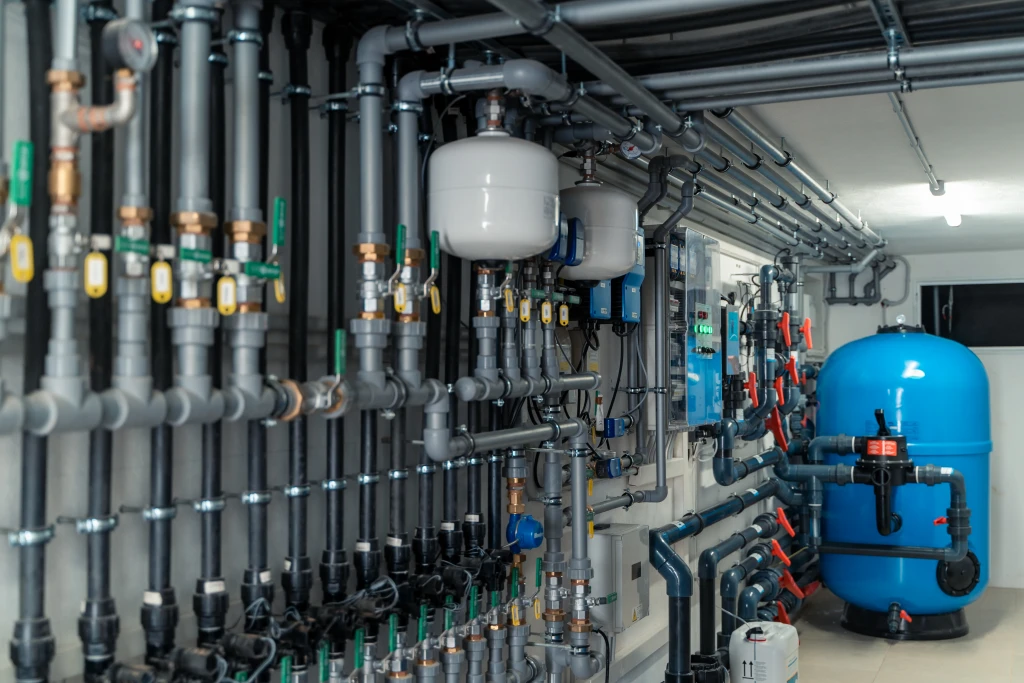
- Equipment. Visual inspection of the pump, filter, valves, probes, dosing units, cover and heating system.
- Problems and faults. An agreed procedure for notifications, access to the property and authorisation to make adjustments or repairs.
The frequency of visits should not be based on a rule of thumb. An uncovered pool exposed to the wind may need different attention from a pool protected by a cover. Equally, three weeks away calls for a different approach from several months off the island.
Before leaving Mallorca: prepare the pool for your absence
Preparing the pool in advance reduces the risk of leaving the system to operate with an existing problem. Simply setting the filtration timer and closing up the house is not enough.
Check the water. Confirm that the water treatment is correctly balanced for the installation and that the product tanks contain enough supply for the period ahead. Probes and dosing equipment should also be clean, calibrated and operational wherever the manufacturer requires it.
Clean the pool and filtration system. Remove debris, empty the baskets, inspect the pump strainer and check the filter. Any dirt left behind increases the load the system must handle while the property is empty.
Check the equipment and settings. Look for leaks, unusual noises and error messages, and review the programmes for filtration, treatment, heating and automatic top-up. Running times should reflect the expected conditions, rather than rely on fixed settings that no one will revisit.
Arrange access and a response procedure. The person or company responsible must be able to enter the plant room and know the agreed steps to take if equipment fails, the water level drops or there is a power cut.
While you are away: essential checks
Even when some maintenance is automated, periodic visits are needed to identify things an app may not detect: a visible leak, leaves on a cover, a valve in the wrong position, an unusual noise or wind damage.
Water quality and filtration
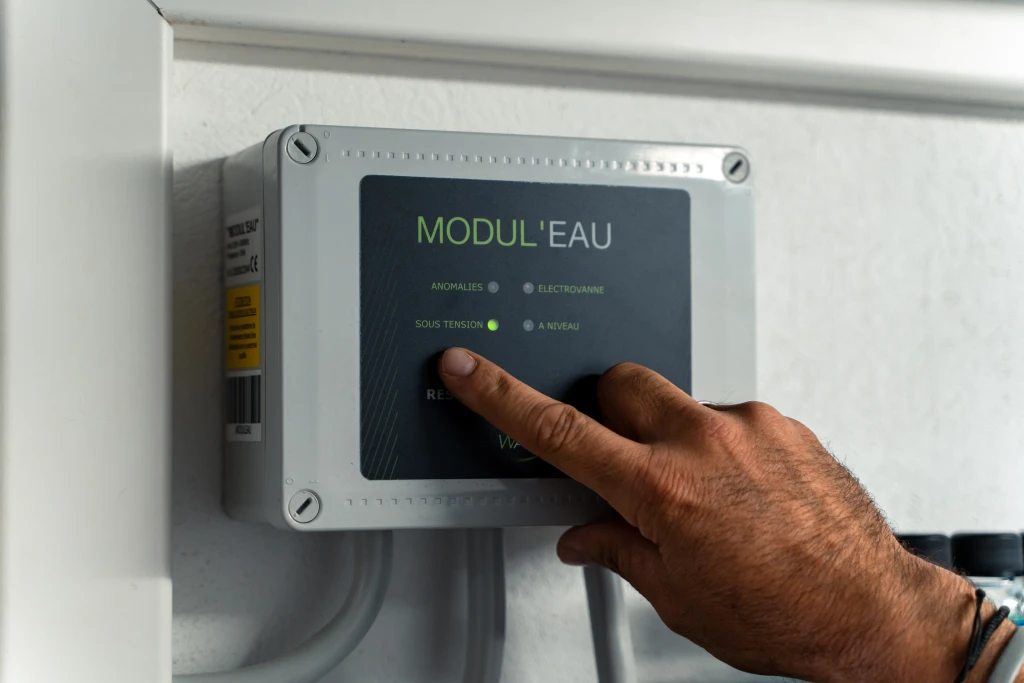
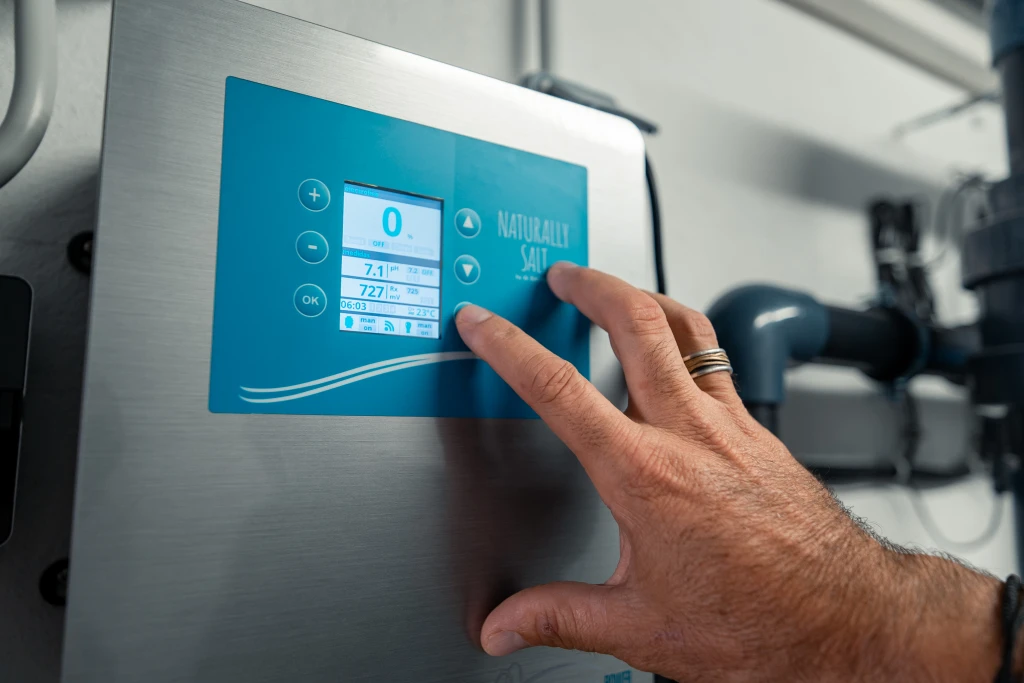
Water parameters should be tested and adjusted to suit the installed system and the relevant technical guidance. Automatic equipment can help regulate pH and disinfection, but it still requires supplies, probes in good condition and periodic checks. Piscina & Jardín integrates automatic water-treatment systems that can reduce manual intervention without removing the need for supervision.
The filtration system also needs attention. As well as confirming that the pump starts and maintains the expected flow rate, the visit should include checking filter pressure, cleaning baskets and carrying out the maintenance required for the filter medium and equipment.
Cleaning, water level and the surrounding area
Las hojas, el polvo y otros residuos deben retirarse antes de que se acumulen o lleguen al sistema hidráulico. También conviene comprobar el nivel del agua y registrar cualquier cambio que no encaje con la evaporación y las condiciones meteorológicas.
The inspection should cover the pool surround, drains, plant room and external features. After periods of wind or rain, it may be necessary to bring a visit forward rather than wait for the usual date.
Equipment checks and fault records
A useful inspection does not end once the water looks clean. It should verify the operation of the pumps, valves, heating, cover, dosing system, lighting and any control systems fitted to the pool.
Recording readings, adjustments and alerts makes it easier to identify trends, such as a gradual drop in water level, rising pressure or unusual product consumption. It also means the next stay can be prepared using real information, instead of waiting for the owner to arrive before taking action.
What can be automated, and what still needs supervision?
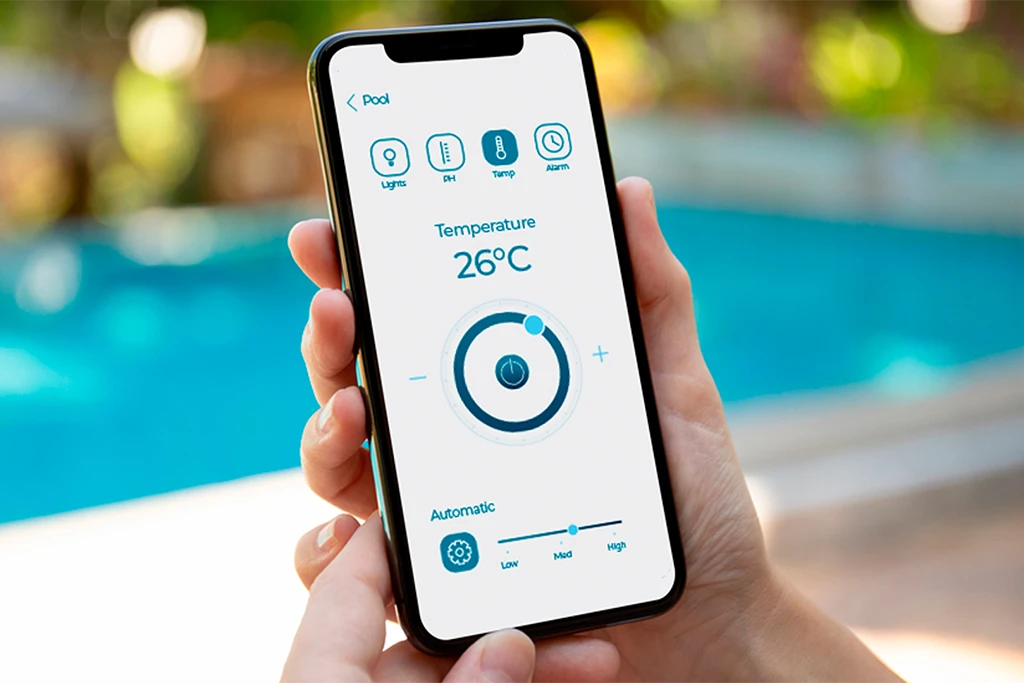
Automation is particularly useful for a second-home pool because it maintains routines and makes information available remotely. Depending on the equipment, filtration, water-treatment control, temperature, lighting, certain backwash cycles and operating alerts can all be automated.
With a system such as Smart Eco Pool, owners can use their mobile phone to monitor information such as chlorine and pH status, temperature and filtration cycles, as well as receive alerts. This visibility supports an earlier response, but a remote alert still needs someone on site to verify the cause and take action.
Automation cannot physically remove every item of debris, replenish supplies, clean a probe or confirm the overall condition of the pool and plant room. It works best as part of a maintenance plan, not as a replacement for on-site visits.
Is it worth using a pool cover during an extended absence?
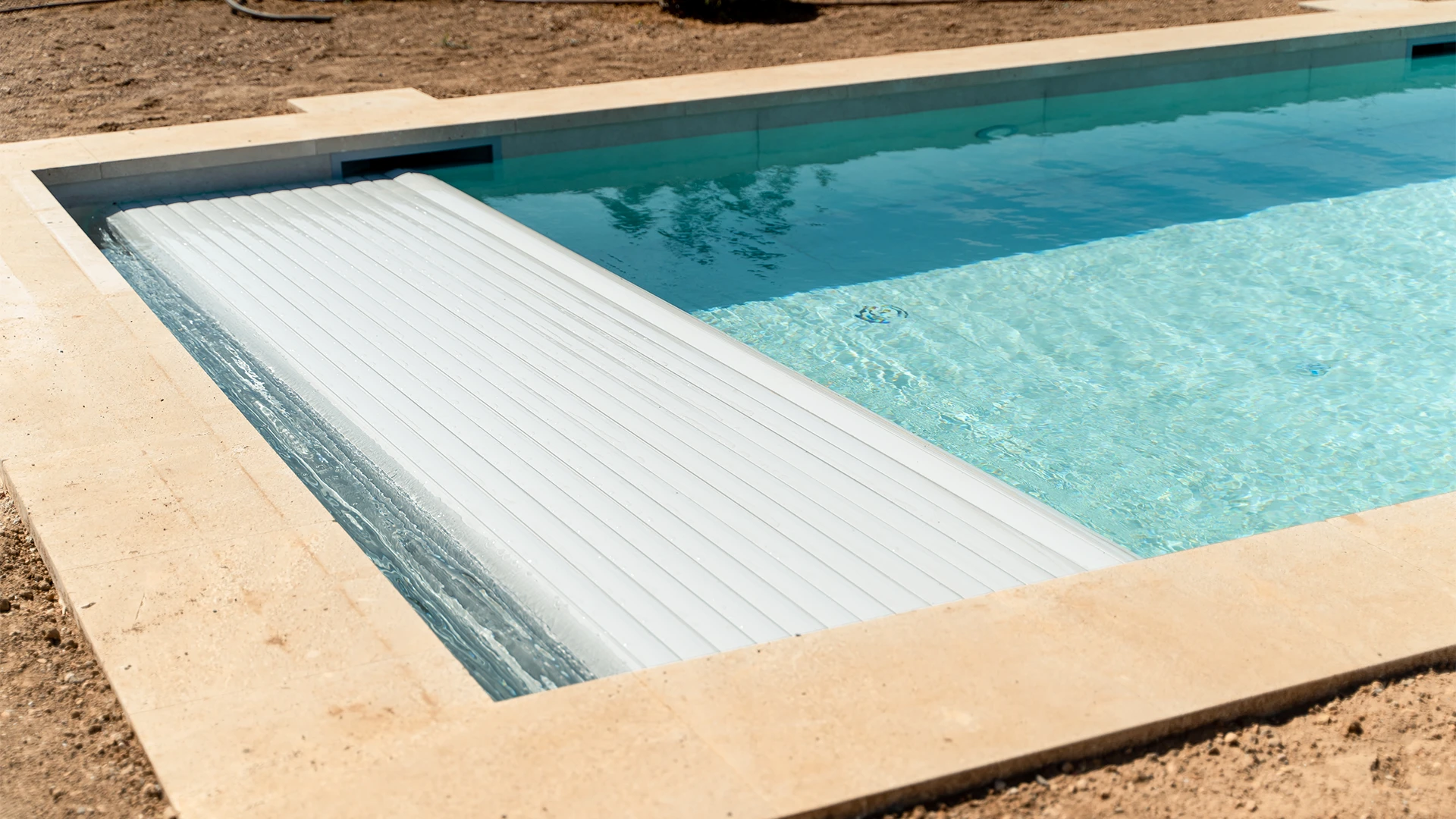
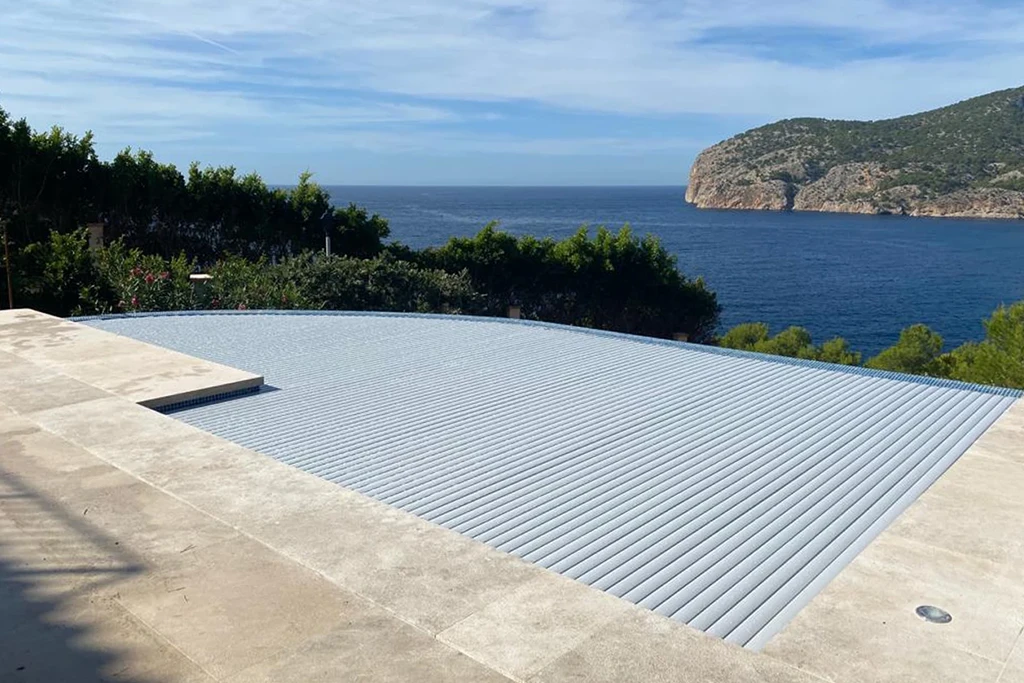
Una cubierta puede reducir la entrada de suciedad, limitar la evaporación y ayudar a conservar la temperatura. Estas ventajas resultan útiles en una vivienda que permanece desocupada, siempre que el sistema sea adecuado para la piscina y se utilice conforme a sus instrucciones.
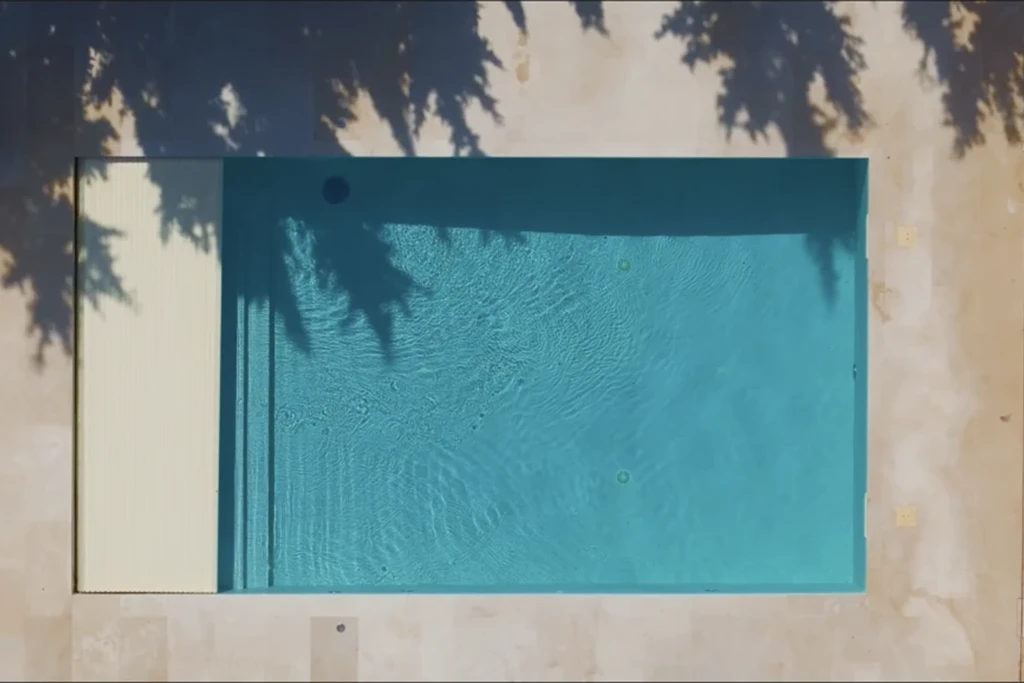
However, a cover does not replace filtration, water treatment or inspections. It also requires its own inspection and maintenance. If you are considering installing one, our guide to automatic pool covers in Mallorca explains the differences between submerged and surface-mounted systems, and between PVC and polycarbonate slats.
Before you return: getting the pool ready for swimming
The pool should be prepared far enough in advance. The time required will depend on the condition of the water, the desired temperature and any problems identified while the property was empty.
Before you arrive, the following should be carried out:
- Complete inspection of the pool, plant room and equipment.
- · Cleaning of the surface, pool floor, baskets and waterline.
- Water testing and adjustment of the treatment to suit the installation.
- Inspection of the filtration system and confirmation that there are no leaks, alerts or unusual noises.
- Start-up of the heating system far enough in advance, if it is used.
- Testing of the cover, lighting and any other functions required during the stay.
If the pool has been maintained correctly, this stage should be routine preparation. If there is a problem with the water or equipment, it should be diagnosed before resorting to repeated adjustments or improvised treatments.
Annual pool maintenance checklist
A straightforward schedule helps align the way the property is actually used with the needs of the installation:
- Before every absence. Clean the pool, test the water, check supplies and equipment, review the settings and arrange technical access.
- While the property is empty. · Carry out the agreed visits, record parameters, clean the pool, monitor the water level and check alerts.
- After severe weather or a disruption to the supply. Carry out an additional inspection and confirm that all systems have restarted correctly.
- Before every arrival. Prepare the water and equipment, clean the pool and test the functions that will be used.
- Al cambiar de temporada. Adjust running times, treatment and heating to suit the temperature and expected use.
- At the required intervals. Carry out preventive maintenance of pumps, filters, probes, dosing units, the cover and all other equipment in line with their technical requirements.
This schedule must be tailored to the individual pool. A heated, saltwater or overflow pool, or one with an automatic cover, will not require exactly the same checks, and the intervals depend on the setting and the equipment specifications.
Common mistakes when leaving a pool unused
Switching the entire installation off for months. This can leave the water without circulation or treatment and allow problems to go unnoticed for too long.
Relying on how the water looks. Water that appears clear does not in itself prove that the treatment and equipment are working correctly.
Keeping the summer settings all year round. Cycles should be reviewed when the temperature, amount of debris and frequency of use change.
Assuming the cover takes care of all maintenance. It reduces certain demands, but it cannot manage the water or verify the condition of the installation by itself.
Depending on remote monitoring alone Data and alerts are useful, but someone still needs to attend the property when a problem occurs.
Waiting until the day you arrive to inspect the pool. A fault or water imbalance may take longer to resolve than the time available to get the pool ready.
Professional pool maintenance for a second home in Mallorca
Delegating maintenance makes it possible to coordinate preparation of the pool, visits while the property is empty, follow-up of any problems and servicing before the owner returns. An effective service should begin with a technical inspection and a plan tailored to the existing equipment.
Piscina & Jardín provides preventive maintenance plans, technical assistance and seasonal servicing. It can also take over pools built by another company after assessing the hydraulic circuit, filtration and equipment.
The aim is to keep the pool cared for throughout the year and ready for the owner’s return. To determine the right frequency of visits, which functions should be automated and how faults should be handled, request an assessment through the Piscina & Jardín contact page.